
Call us now :07971191345
 Send Inquiry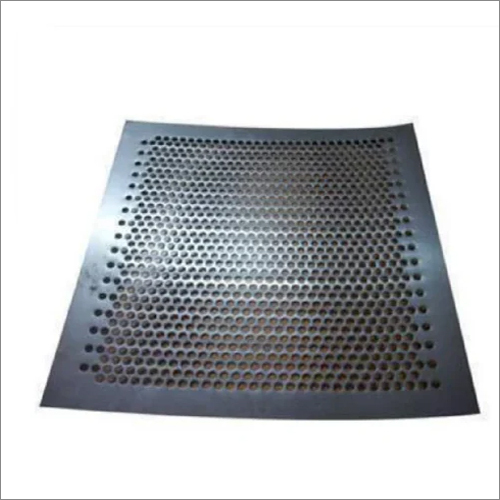
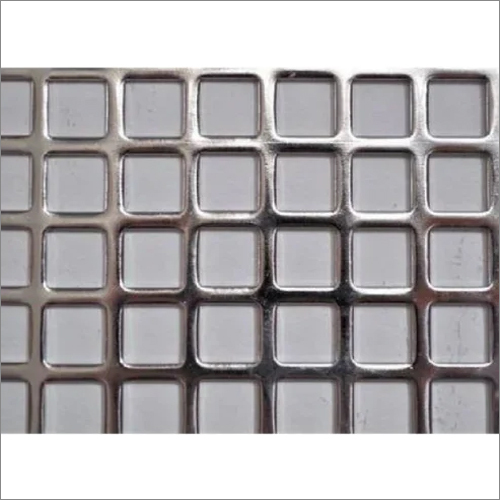
CRC Perforated Sheet
Product Details:
- Surface Treatment Polished, Galvanized, Anti-rust coating
- Shape Sheet, Custom patterns available
- Standard ASTM, IS standards
- Process Punching, Shearing, Cutting to size
- Temper Annealed
- Grade Commercial, Industrial
- Usage Industrial
- Click to View more
X
CRC Perforated Sheet Price And Quantity
- 10 Piece
CRC Perforated Sheet Product Specifications
- Corrosion resistance, High strength, Smooth edges, Uniform perforation
- 0.5 mm to 3 mm
- Metal
- Polished, Galvanized, Anti-rust coating
- CRC Perforated Sheet
- Industrial
- Cold rolled, Perforated
- Punching, Shearing, Cutting to size
- ASTM, IS standards
- Sheet, Custom patterns available
- Commercial, Industrial
- Filtration, Sieving, Architectural decoration, Sound isolation, Air ventilation, Machinery protection
- Annealed
- Bundles or wooden pallets with plastic film
- 0.5 mm to 20 mm
- 10% to 60% depending on pattern
- Deburred edges
- Indoor and Outdoor
- Up to 2500 mm
- Available as per client requirement
- Silver Grey
- Up to 1500 mm
- Flat sheet or as per order specification
- Round, Square, Slotted, Decorative
CRC Perforated Sheet Trade Information
- Cash Advance (CA)
- 100000 Piece Per Month
- 7 Days
- All India
Product Description
A high-quality option for a variety of industrial applications is CRC Perforated Sheet. These sheets come in a variety of thicknesses from 2 to 10mm and are made of a variety of materials, including MS and SS. They are made to be strong and long-lasting thanks to the hot-rolling process. The round holes on the CRC Perforated Sheets are punched with fine holes that range in diameter from 0.4 to 2mm. These sheets are perfect for use in the chemical industry, the automotive industry, and other industrial applications because of their outstanding ventilation and filtration characteristics provided by their design. The CRC Perforated Sheets, which have a size of 1800 x 5000mm, offer plenty of room for organizing various materials and providing secure and well-organized workspaces. Specification |
| Fine Hole Punching Diameters | 0.4 to 2 mm |
| Size | 1800 5000mm |
| Thickness | 2 10mm |
| Material | MS, SS etc |
| Technique | Hot Rolled |
| Holes Type | Round |
| Usage/Application | Chemical Industry, Automotive Industry etc |
Versatile Applications
CRC Perforated Sheets are ideal for use in filtration, sieving, architectural decoration, sound isolation, air ventilation, and machinery protection. Their robust construction and corrosion-resistant finish make them suitable for both indoor and outdoor environments, catering to diverse industry requirements with customizable patterns and finishes.
Quality and Customisation
Manufactured in compliance with ASTM and IS standards, these commercial and industrial-grade sheets offer flexibility in design, shape, pattern, and thickness, with options for annealed tempering and various surface treatments including polishing and anti-rust coating. Custom orders are welcome to meet precise client specifications.
Secure Packing and Easy Handling
Each sheet is packed securely in bundles or wooden pallets wrapped in plastic film, ensuring protection during transit and storage. The flat delivery condition or tailored sheet shapes ensure ease of handling and installation for both manufacturers and end-users.
FAQ's of CRC Perforated Sheet:
Q: How is the CRC Perforated Sheet manufactured?
A: These sheets are produced using a cold-rolled process, followed by precise punching to create uniform perforations in shapes such as round, square, slotted, or decorative patterns. Edges are deburred for safety and a smooth finish.Q: What customization options are available for the perforated sheets?
A: Customisation includes selecting width (up to 1500 mm), length (up to 2500 mm), hole shape and size (0.5 mm to 20 mm), open area percentage (10% to 60%), surface treatment, and specific patterns. Sheets can also be cut to size or delivered flat or as per unique specifications.Q: When should I choose galvanised or anti-rust coated CRC Perforated Sheets?
A: Galvanised or anti-rust coated sheets are recommended when the application is exposed to moisture or corrosive environments, such as outdoor installations, filtration in humid conditions, or areas requiring enhanced durability and longevity.Q: Where can CRC Perforated Sheets be used?
A: These sheets are versatile and can be used in industries for filtration, sieving, sound isolation, architectural decoration, air ventilation, and machinery protection. They are suitable for both indoor and outdoor use due to their corrosion-resistant features.Q: What is the process for ordering custom patterns or sizes?
A: Clients can submit their requirements for specific dimensions, hole patterns, and finishes. The manufacturer will then customise the sheet based on the order, meeting ASTM or IS standards as required, and ensuring timely delivery.Q: How does the product ensure safety and ease of installation?
A: All edges are thoroughly deburred to prevent injury during handling or installation. The sheets are securely packed and can be delivered in flat sheets or tailored forms to ease onsite handling and mounting.Q: What are the key benefits of using CRC Perforated Sheets?
A: Key benefits include superior corrosion resistance, high strength, smooth and safe edges, uniform perforation for efficient filtration or ventilation, and extensive options for customization to suit specific industrial or architectural needs.Tell us about your requirement

Price:
Quantity
Select Unit
- 50
- 100
- 200
- 250
- 500
- 1000+
Additional detail
Mobile number
Email

Other Products in 'Perforated Sheets' category


 Send Inquiry
Our Products

Gali No.- C/2, Sagar Estate, Dhumal Nagar, Vasai (E), Behind Rashmi Banglow, Vasai - 401208, Maharashtra, India

Mr. Ashok L. Sharma
(Proprietor )
Mobile :07971191345
 Send Inquiry
 Send SMS
Developed and Managed by Infocom Network Private Limited.
