
Call us now :07971191345
 Send Inquiry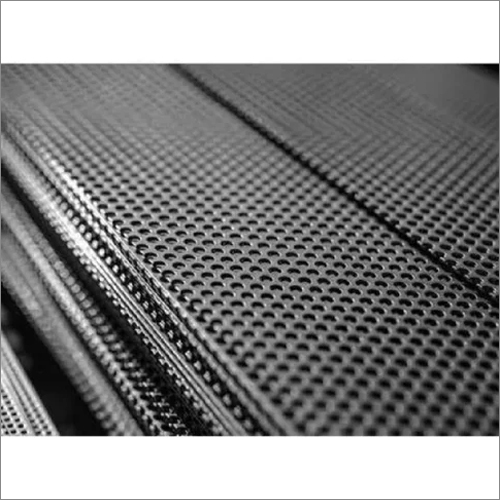
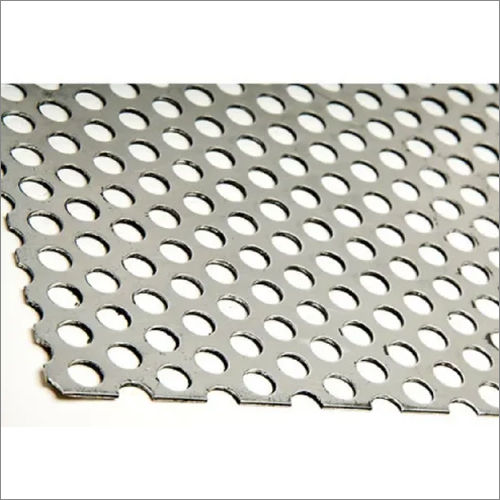
Perforated Metal Sheet
Product Details:
- Temper Hard, Soft
- Surface Treatment Galvanized, Powder Coated, Polished
- Shape Rectangular, Square
- Process Cold Rolled, Hot Rolled
- Grade SS304, SS316, MS
- Standard ASTM, IS, JIS, DIN
- Usage Industrial
- Click to View more
X
Perforated Metal Sheet Price And Quantity
- 10 Piece
Perforated Metal Sheet Product Specifications
- 0.5 mm to 10 mm
- Filtration, Fencing, Construction, Decorative Panels
- SS304, SS316, MS
- Perforated Metal Sheet
- Cold Rolled, Hot Rolled
- Rectangular, Square
- Metal
- Galvanized, Powder Coated, Polished
- Hard, Soft
- Industrial
- Punching, Perforation
- Corrosion Resistant, Durable, High Tensile Strength
- ASTM, IS, JIS, DIN
- Up to 3500 mm
- Round, Square, Slotted, Hexagonal
- 10% - 70%
- +/- 0.2 mm
- According to Size and Thickness
- Plain, Sheared, Smooth
- Wooden Pallets, Bundles, as per requirement
- Up to 1500 mm
- 1000 mm x 2000 mm, 1220 mm x 2440 mm, Custom Sizes Available
- Industrial, Architectural, Security, Acoustic Panels
- Silver, Grey, Custom Colors
- 0.5 mm to 50 mm
Perforated Metal Sheet Trade Information
- Cash Advance (CA)
- 100000 Piece Per Month
- 7 Days
- All India
Product Description
Our perforated metal sheet is a strong, adaptable product that may be used for a variety of purposes. This sheet, which is composed of premium materials like SS & MS and is available in thicknesses ranging from 2mm to 10mm, is intended to last. Rectangular holes with a perforated pattern provide the best airflow, making them a common option in the construction & automobile industries. Hot rolling is used to manufacture the sheet, which ensures uniformity throughout the entire finished product. It may be used in tough conditions because of the additional layer of corrosion protection provided by the galvanized surface treatment. In building projects, our perforated metal sheet can be used for a variety of things, such as fencing, screens, and facades, or as filters, grills, & vents in the automotive industry. Specification |
| Thickness | 2mm to 10mm |
| Material | SS, MS etc |
| Technique | Hot Rolled |
| Hole Shape | Rectangle |
| Surface Treatment | Galvanized |
| Usage/Application | Automotive Industry, Construction Industry etc |
Versatile Hole Patterns and Sizes
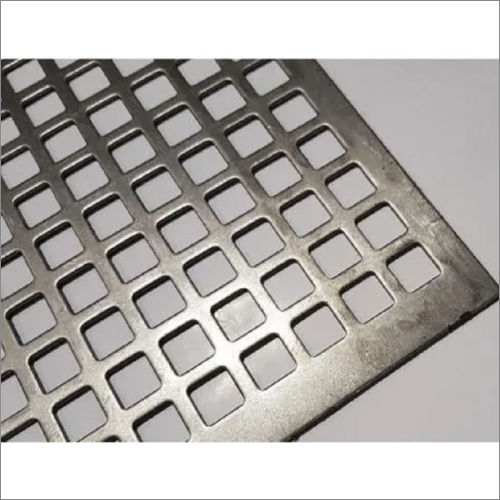
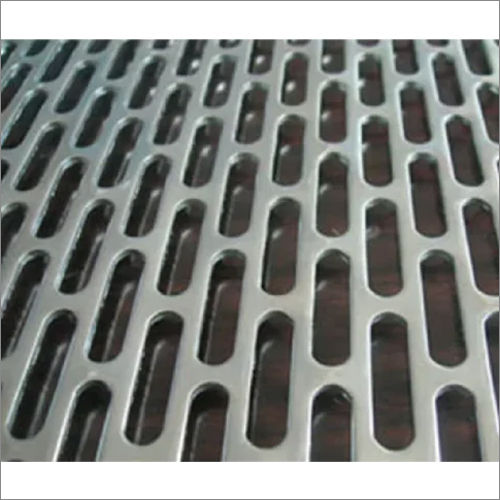
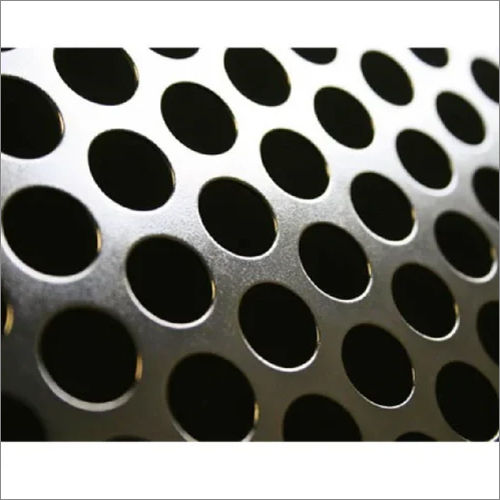
Choose from a variety of hole shapes-round, square, slotted, or hexagonal-customizable in diameters ranging from 0.5 mm to 50 mm. This flexibility ensures the perfect fit for your specific industrial or decorative needs. Standard sheet sizes are offered, and bespoke dimensions are available on request.
Robust Construction and High Durability
Our perforated metal sheets are manufactured using high-quality metals like SS304, SS316, and mild steel. With thickness options from 0.5 mm to 10 mm, they deliver exceptional tensile strength and corrosion resistance, making them suitable for demanding environments.
Custom Finishes and Surface Treatments
We offer a variety of surface treatments such as galvanization, powder coating, and polishing, as well as edge finishes like plain, sheared, or smooth. Sheets can be supplied in silver, grey, or custom colors, meeting specific aesthetic or functional requirements.
FAQ's of Perforated Metal Sheet:
Q: How does hole shape and size impact the application of perforated metal sheets?
A: Hole shape and size are critical in determining the functionality of perforated sheets. Round, square, slotted, or hexagonal holes with sizes ranging from 0.5 mm to 50 mm allow customization for uses such as precise filtration, airflow control, decorative accents, or fencing, ensuring optimal performance in various settings.Q: What materials and grades are available for your perforated metal sheets?
A: We manufacture sheets using stainless steel (SS304, SS316), mild steel (MS), and comply with international standards such as ASTM, IS, JIS, and DIN. This ensures durability, corrosion resistance, and suitability for applications in challenging industrial environments.Q: When should I choose a specific open area percentage for my project?
A: Open area percentage, ranging from 10% to 70%, affects the sheet's transparency, airflow, and strength. Higher open areas are preferred for filtration and ventilation, while lower percentages offer enhanced durability and security. Select based on your project's filtration, privacy, or structural requirements.Q: Where can perforated metal sheets be installed or used?
A: These versatile sheets are ideal for industrial filtration systems, building facades, fencing, machinery guards, and decorative architectural features. Their high tensile strength and customizable appearance make them suitable for both functional and aesthetic applications across multiple industries.Q: What is the manufacturing process and tolerance for your sheets?
A: Sheets are produced using precise punching and perforation techniques, either cold rolled or hot rolled, meeting strict manufacturing tolerances of +/- 0.2 mm. This guarantees uniformity and compatibility with demanding engineering specifications.Q: How do I benefit from the available surface treatments and edge finishes?
A: Surface treatments like galvanization, powder coating, or polishing enhance the sheet's corrosion resistance, aesthetic appeal, and longevity. Edge finishes (plain, sheared, smooth) can be selected for safety, installation ease, or visual requirements, providing flexibility to suit different project needs.Tell us about your requirement

Price:
Quantity
Select Unit
- 50
- 100
- 200
- 250
- 500
- 1000+
Additional detail
Mobile number
Email

Other Products in 'Perforated Sheets' category


 Send Inquiry
Our Products

Gali No.- C/2, Sagar Estate, Dhumal Nagar, Vasai (E), Behind Rashmi Banglow, Vasai - 401208, Maharashtra, India

Mr. Ashok L. Sharma
(Proprietor )
Mobile :07971191345
 Send Inquiry
 Send SMS
Developed and Managed by Infocom Network Private Limited.
