
Call us now :07971191345
 Send Inquiry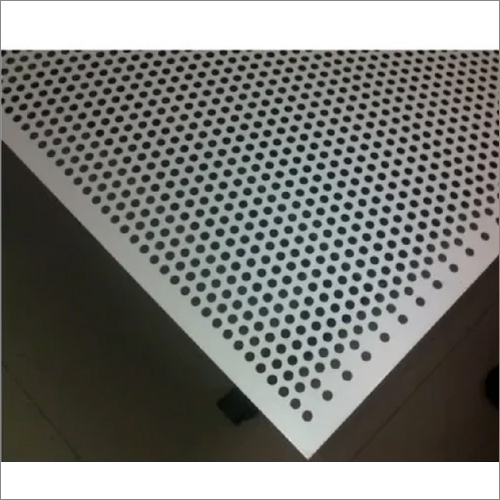
Stone Crushing Perforated Plates
Product Details:
- Grade SS304, SS316, MS304
- Temper Hard, Annealed
- Shape Rectangular, Square, Custom
- Process Cold Rolled, Hot Rolled
- Surface Treatment Galvanized, Painted, Polished
- Standard IS 2405, IS 2062, ASTM A240
- Usage Industrial
- Click to View more
X
Stone Crushing Perforated Plates Price And Quantity
- 10 Piece
Stone Crushing Perforated Plates Product Specifications
- Perforation, Punching
- Wear Resistant, Corrosion Resistant, Precise Aperture Size, High Strength
- Industrial
- Stone Crushing Perforated Plates
- SS304, SS316, MS304
- IS 2405, IS 2062, ASTM A240
- Galvanized, Painted, Polished
- Cold Rolled, Hot Rolled
- Rectangular, Square, Custom
- Stone Crushing, Mining, Quarrying, Construction, Aggregate Screening
- Metal
- 3 mm to 10 mm (Customizable)
- Hard, Annealed
- Grey, Silver, Custom
- Round, Square, Slot, Oblong
- 2 mm to 50 mm (Customizable)
- 30% to 60%
- Bolted, Welded, Custom Fittings
- Up to 3000 mm
- 500 mm to 1500 mm
- Deburred, Smooth
- Outdoor, Indoor, Heavy Duty
Stone Crushing Perforated Plates Trade Information
- Cash Advance (CA)
- 100000 Piece Per Month
- 7 Days
- All India
Product Description
The best option for the crushing demands of the stone crusher industry is stone crushing perforated plates. These plates come in a variety of thicknesses from 1 to 15mm & are made from premium MS material. Its toughness & lifespan are guaranteed by the hot-rolled production process, and the galvanized surface treatment adds a further layer of defense, making them resistant to rust and corrosion. The Stone Crushing Perforated Plates have a round hole shape that is perfect for effectively crushing stones. The plates are 5 x 18 feet in size, which gives plenty of room for controlling the stones and assuring a secure and well-organized workspace.
Specification
| Size | 5 x 18 feet |
| Thickness | 1 - 15mm |
| Material | MS |
| Technique | Hot Rolled |
| Surface Treatment | Glavanized |
| Hole Shape | Round |
| Usage/Application | Stone Crusher |
Customizable Solutions for Demanding Applications
Suitable for heavy-duty use in industries like stone crushing, mining, and construction, these perforated plates offer wide-ranging customization in size, thickness, hole patterns, and finishes. Whether your project requires unique hole shapes or specialized dimensions, our expertly manufactured plates can be tailored for optimal screening efficiency and durability.
High-Quality Materials and Standards Compliance
Manufactured from premium metals including SS304, SS316, and MS304, these plates meet rigorous industry standards such as IS 2405 and ASTM A240. Their hard or annealed temper and precise processing, achieved through perforation and punching techniques, result in exceptional wear and corrosion resistance for long-term reliability.
Versatile Installation and Finishing Options
Installation is flexible and secure, with options for bolting, welding, or custom fittings. The plates come with deburred, smooth edges for safety, and a selection of surface treatments-galvanized, painted, polished, or custom-to suit your operational environment and further enhance their resistance to harsh conditions.
FAQ's of Stone Crushing Perforated Plates:
Q: How are stone crushing perforated plates installed in different environments?
A: These plates are designed for flexible installation, suitable for both indoor and outdoor settings. Depending on your application, they can be mounted using bolted, welded, or custom fittings. The method of installation typically depends on the operational load and screening requirements of your facility.Q: What makes your perforated plates suitable for heavy-duty industrial usage?
A: Our plates are engineered from robust metals such as SS304, SS316, and MS304, with thickness options between 3 mm and 10 mm. Their construction ensures high strength, wear resistance, and corrosion protection, making them ideal for intensive applications in stone crushing, mining, quarrying, and aggregate processing.Q: When should I consider customizing the hole size or shape for my application?
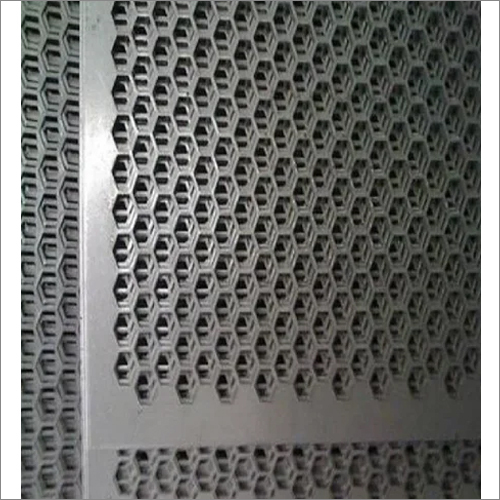
A: Customization is recommended when your process demands precise particle size separation or specific flow patterns. With a variety of hole shapes-round, square, slot, oblong-and sizes ranging from 2 mm to 50 mm, we can tailor the plates to maximize screening efficiency and minimize clogging in your specific application.Q: Where can these perforated plates be used effectively?
A: These plates are versatile and widely used in stone crushing plants, mining sites, quarrying operations, and construction areas. They perform well in harsh environments, whether outdoors under weather exposure or indoors in controlled conditions, owing to their resilient metals and protective surface treatments.Q: What is the manufacturing process for these perforated plates?
A: The plates are crafted using advanced perforation and punching techniques, followed by surface treatments such as galvanization, painting, or polishing. This process ensures precise aperture sizing, deburred smooth edges for safety, and a rugged finish to stand up against wear and corrosion.Q: How does choosing a higher open area percentage benefit the screening process?
A: Selecting a higher open area (up to 60%) enhances material throughput, improves screening efficiency, and reduces operational downtime by allowing more material to pass through the plate efficiently, especially important in high-volume industrial settings.Tell us about your requirement

Price:
Quantity
Select Unit
- 50
- 100
- 200
- 250
- 500
- 1000+
Additional detail
Mobile number
Email

Other Products in 'Perforated Plates' category


 Send Inquiry
Our Products

Gali No.- C/2, Sagar Estate, Dhumal Nagar, Vasai (E), Behind Rashmi Banglow, Vasai - 401208, Maharashtra, India

Mr. Ashok L. Sharma
(Proprietor )
Mobile :07971191345
 Send Inquiry
 Send SMS
Developed and Managed by Infocom Network Private Limited.
